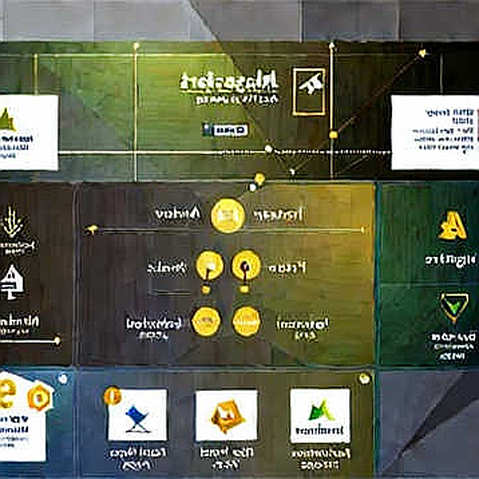
The CLARITY Act debate reached its grim end on September 15 with a final vote that failed to pass. The next day, September 16, Arc Layer-1 hit mainnet. This is not hype. This is a concrete move by Circle, BlackRock, DTCC, Visa, and Mastercard to bake regulation into blockchain code. Institutions no longer wait for Congress. They build the rules themselves. The result is a network where USDC serves as native gas, sub-second finality governs settlements, and twelve permissioned validators enforce compliance from day one. Collateral is just debt wearing a mask of trust. We do not ride the wave; we engineer the tide. This is how Wall Street pivots crypto into infrastructure.
The Arc architecture sits in a narrow innovation band. It mixes open Layer-1 access with permissioned validation. Any user can read or send transactions. But only twelve vetted nodes produce blocks. This is not Ethereum's fully permissionless model. It is not Canton's closed consortium. It is something in between, a clamped middle layer. Performance targets sub-second finality. That sounds fast until you notice the twenty-five percent TPS ceiling baked into the design. Visa-level throughput without the actual risk pool. The twelve validators run a BFT protocol, likely Raft or IBFT, requiring more than two-thirds honest nodes. One or two sanctioned institutions and the chain grinds to a halt. This is not a bug. It is the feature. Institutions get predictability. Retail gets predictability on paper.
Native USDC as gas solves an institution's core pain point: no extra crypto exposure when paying fees. Buy ETH on Binance to fuel DeFi, then sell it. Risky and capital inefficient. Arc flips that. USDC pays for everything. Circle's stablecoin becomes the settlement layer. This is institutional finance abstracted into blockchain. The same institutions that already hold DTCC's 114 trillion in assets now run the validators. BlackRock, Standard Chartered, SBI, Mastercard, Visa, ICE. This list is not random. It is co-opetition in practice. Competitors on paper become co-operators on the same chain. Visa and Mastercard sit together enforcing rules. This is regulation by infrastructure, not legislation.
The tokenomics are deliberate. No inflationary native token. No miner rewards. No speculation baked in. USDC drives volume. Validators earn service fees and settlement commissions. The network functions like a clearing house. BlackRock deploys BUIDL, its 32 billion dollar tokenized money market fund, with 24/7 subscription and redemption. Sub-second finality turns what used to take two days into near-instant cash management. This is not retail DeFi. This is T+0 settlement at sovereign scale. Circle captures the fee flow indirectly. More volume means more interest income on reserves. The protocol itself captures nothing. That is by design. Value stays in the institutions that operate the nodes.
Contrast this with Ethereum. Gas in ETH creates endless competition for MEV and staking returns. Base on Coinbase adds stablecoin liquidity but still routes through Ethereum's base layer. Canton offers privacy but limits interoperability. Arc claims openness while delivering institutional grade. The paradox is real. Open usage coexists with permissioned participation. EOS had twenty-one super nodes. BNB Chain runs validator sets. The model works at scale until it does not. One validator goes down under sanctions pressure and the network fractures. The architecture sacrifices long chain data availability for speed. Sub-second finality means blocks confirm fast but history is truncated. Critics will call this an encrypted server log, not a true blockchain. The label does not matter to the institutions writing the checks.